

Finding where to donate sperm near me is a common search for men who want to help individuals and couples build families while earning compensation for their time and commitment. Sperm donation has become an important part of modern reproductive healthcare, giving hope to people facing infertility, same sex couples, and single women who dream of becoming parents. As fertility treatments continue to advance, the demand for qualified sperm donors has increased across many regions.
If you are considering becoming a donor, understanding the entire process is essential. From meeting eligibility requirements to completing medical screenings and regular donations, every step is designed to ensure the safety of both donors and recipients. This guide explains everything you need to know before choosing a reputable sperm bank or fertility clinic.
Understanding Sperm Donation
Sperm donation is the process of voluntarily providing semen samples to a licensed sperm bank or fertility clinic. After collection, each sample undergoes extensive testing and processing before being stored for future use in assisted reproductive treatments such as intrauterine insemination (IUI) or in vitro fertilization (IVF).
Unlike many medical procedures, sperm donation is relatively simple and noninvasive. However, the screening standards are strict because clinics must ensure the highest level of quality and safety. Every approved donor contributes to helping families who cannot conceive naturally.
When people search for where to donate sperm near me, they are usually looking for licensed fertility centers with experienced healthcare professionals, transparent policies, and fair compensation programs.
The History of Sperm Donation
Although modern fertility medicine has developed rapidly over recent decades, sperm donation has existed in various forms for more than a century. Early procedures were performed with limited scientific knowledge and minimal regulation. As reproductive medicine advanced, governments and medical organizations introduced stricter standards to protect both donors and recipients.
Today, sperm banks use advanced laboratory techniques, genetic screening, infectious disease testing, and secure cryopreservation methods. These improvements have significantly increased success rates while ensuring ethical practices throughout the donation process.
Modern fertility clinics also follow comprehensive policy frameworks that regulate donor eligibility, privacy, medical testing, record keeping, and recipient safety. These regulations vary by country and sometimes by state or region, making it important to understand local requirements before applying.
Why People Choose to Become Sperm Donors
Every donor has unique motivations. While financial compensation is one reason, many donors are inspired by the opportunity to make a meaningful difference in someone else’s life.
Common reasons include:
Helping couples experiencing infertility.
Supporting single parents by choice.
Assisting LGBTQ+ families in achieving parenthood.
Contributing to medical research in certain approved programs.
Receiving compensation for time and commitment.
Learning more about personal health through comprehensive medical screening.
Many donors describe the experience as personally rewarding because they know their contribution may help create families that otherwise could not have children.
Who Can Become a Sperm Donor?
Eligibility varies slightly between clinics, but most licensed fertility centers follow similar guidelines.
Basic Eligibility Requirements
Most sperm banks require donors to:
Be between 18 and 39 years old.
Maintain good physical health.
Have no significant hereditary diseases.
Pass infectious disease screening.
Maintain a healthy lifestyle.
Be willing to commit to regular donations.
Provide accurate family medical history.
Complete psychological and medical evaluations.
Because sperm quality varies naturally among individuals, meeting the age requirement alone does not guarantee acceptance. Every applicant undergoes laboratory analysis before approval.
How to Find Where to Donate Sperm Near Me
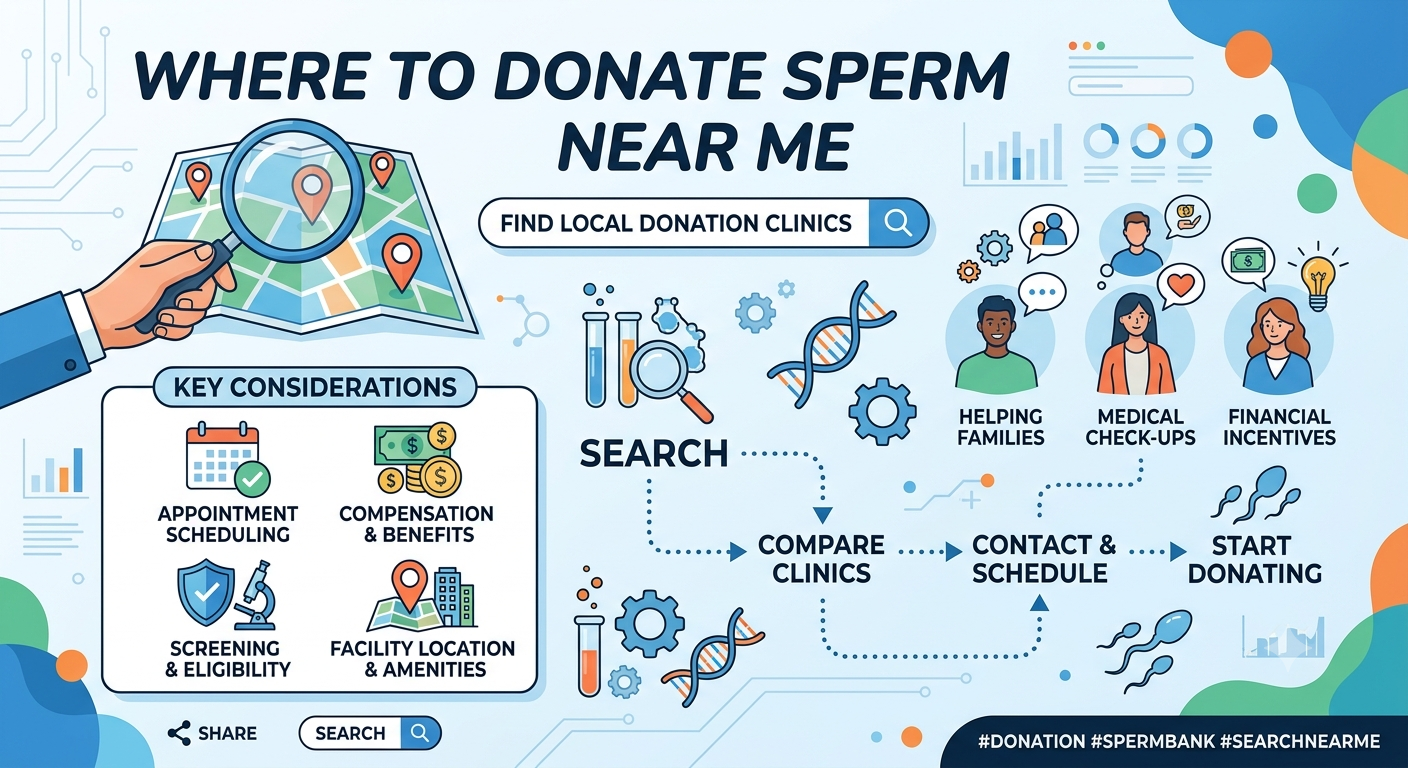
Searching for where to donate sperm near me should involve more than simply selecting the closest clinic. Choosing a reputable fertility center ensures that your health information is protected and that the donation process follows established medical standards.
When evaluating clinics, consider:
Their licensing and accreditation.
Experience of reproductive specialists.
Laboratory certifications.
Donor compensation policies.
Privacy and confidentiality procedures.
Appointment flexibility.
Online reviews and patient feedback.
Transparency about the donation process.
Many well established fertility clinics also provide educational resources explaining donor responsibilities, legal agreements, and long term commitments before accepting applications.
The Application Process
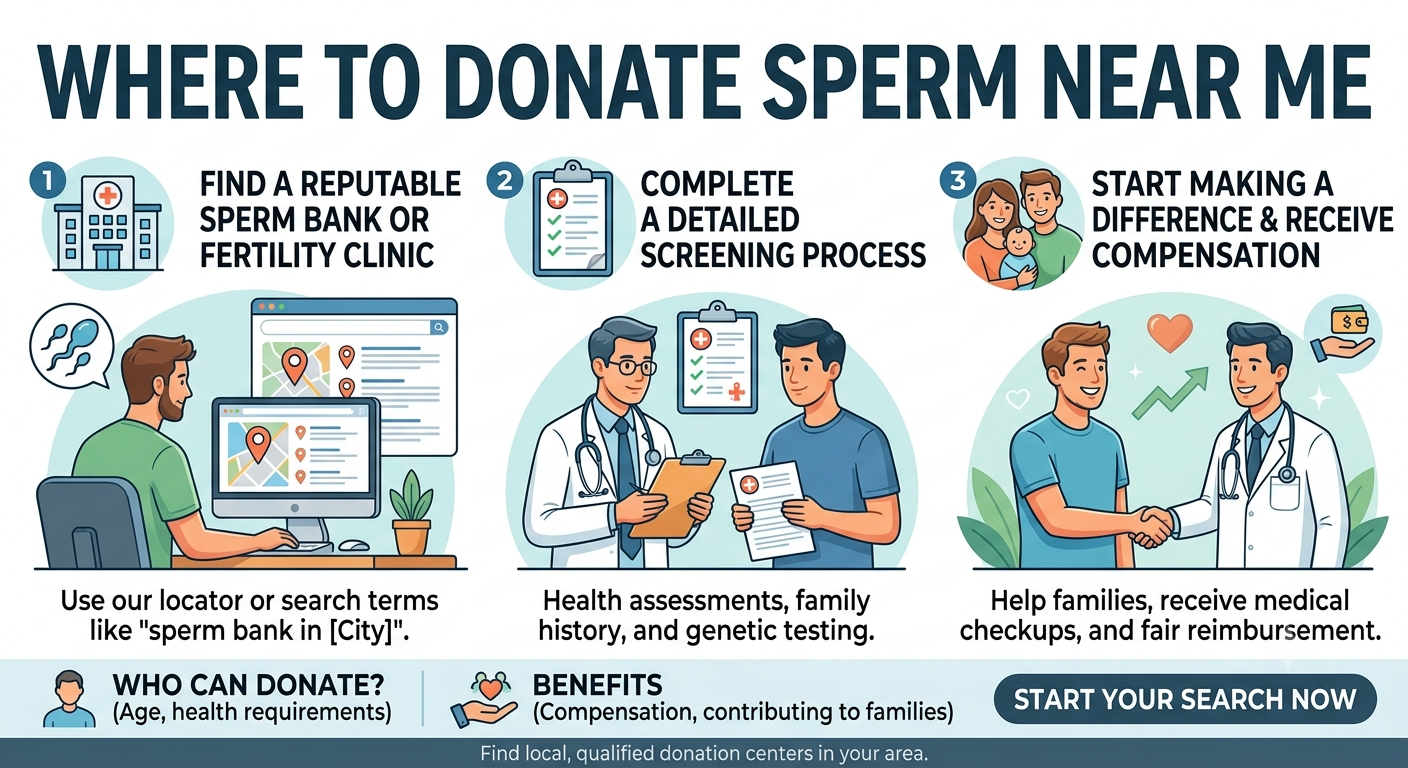
The first step usually begins with an online application or initial consultation. Applicants provide general information about their age, education, medical history, and lifestyle.
If the preliminary application meets the clinic’s requirements, candidates are invited for additional screening.
The typical process includes:
Medical questionnaires.
Personal interviews.
Genetic screening.
Blood testing.
Urine testing.
Semen analysis.
Physical examination.
Counseling sessions when required.
Each step helps determine whether an applicant meets the clinic’s quality standards.
Medical Screening and Health Evaluation
Medical screening is one of the most important parts of sperm donation. Fertility clinics prioritize recipient safety by conducting extensive health assessments.
These evaluations often include:
Screening for infectious diseases.
Genetic carrier testing.
Family health history review.
Chromosomal analysis in some programs.
Lifestyle assessment.
Medication review.
Physical examination.
Semen quality testing.
Clinics may also require repeat testing throughout the donation period to ensure continued eligibility.
Understanding Semen Analysis
Before acceptance, every donor provides a sample for laboratory evaluation.
Specialists examine:
Sperm count.
Motility.
Morphology.
Volume.
Concentration.
Overall sample quality.
Only samples meeting strict laboratory standards proceed to long term storage.
Because natural sperm quality differs among healthy men, multiple samples may be requested before final approval.
What Happens During a Donation Appointment?
The actual donation appointment is straightforward.
Most clinics ask donors to maintain a short period of abstinence before each visit to optimize sample quality.
During the appointment:
Identity is confirmed.
Medical updates are reviewed.
The semen sample is collected in a private room.
The laboratory immediately evaluates the specimen.
Qualified samples begin processing.
Appointments typically take less than an hour, allowing donors to continue their daily routines with minimal disruption.
Compensation for Sperm Donation
One reason many people search where to donate sperm near me is to learn about compensation opportunities. Payment varies depending on the clinic, donation frequency, local regulations, and donor qualifications.
Compensation generally reflects:
Time commitment.
Travel expenses in some programs.
Frequency of successful donations.
Completion of screening requirements.
Long term participation.
It is important to remember that payment is not for the sperm itself but for the donor’s time, effort, and commitment throughout the program.
Legal Considerations
Licensed fertility clinics require donors to sign legal agreements before participating.
These agreements usually address:
Parental rights.
Confidentiality.
Recipient privacy.
Medical information sharing.
Future contact policies.
Identity disclosure rules where applicable.
Record retention.
Understanding these documents is essential before making a long term commitment.
Ethical Considerations
Sperm donation involves ethical responsibilities for both donors and fertility providers.
Modern clinics emphasize:
Honest medical disclosure.
Respect for recipient privacy.
Accurate record keeping.
Compliance with national regulations.
Safe laboratory procedures.
Responsible donor limits.
Transparent communication.
Ethical practices help protect donors, recipients, and future children while maintaining public trust in reproductive medicine.
Privacy and Confidentiality
Many potential donors worry about privacy when searching for where to donate sperm near me. Fortunately, reputable fertility clinics maintain strict confidentiality standards.
Personal information is protected through secure medical record systems and regulated privacy policies.
Depending on local laws, donation programs may offer:
Anonymous donation.
Identity release at adulthood.
Open donor arrangements.
Limited information sharing.
Medical updates when necessary.
Before enrolling, donors should fully understand how their information may be used now and in the future.
Benefits Beyond Compensation
Although financial compensation attracts many applicants, donors often experience additional personal benefits.
These include learning about their reproductive health, receiving professional medical evaluations, contributing to scientific advances in fertility medicine, and helping individuals achieve lifelong dreams of parenthood.
Many donors report that knowing they played a role in creating families provides lasting emotional satisfaction.
The decision to donate is both practical and meaningful, combining personal responsibility with the opportunity to positively impact others in ways that extend far beyond the clinic.
Choosing the Best Fertility Clinic or Sperm Bank
Once you have decided to become a donor, selecting a reputable clinic is one of the most important steps. While many people begin by searching where to donate sperm near me, it is equally important to evaluate the quality, reputation, and professionalism of each facility before submitting an application. Not every clinic follows the same procedures, and standards may vary depending on local regulations and accreditation requirements.
A trusted fertility clinic should have experienced reproductive specialists, certified laboratories, transparent policies, and a proven history of successful donor programs. Reading independent reviews, understanding the screening process, and asking questions during your initial consultation can help you make an informed decision. A professional clinic will clearly explain every stage of the donation process without placing unnecessary pressure on applicants.
Reliable sperm banks also invest heavily in laboratory technology. Advanced cryopreservation techniques, quality control procedures, and genetic screening programs help ensure that donated samples remain safe and effective for future fertility treatments. Choosing a respected organization benefits both donors and recipient families.
Factors to Consider Before Applying
Finding where to donate sperm near me should involve more than comparing compensation rates. Several important factors determine whether a donation program will provide a positive experience.
Consider the clinic’s licensing status, laboratory certifications, donor privacy policies, communication practices, and scheduling flexibility. Some clinics offer evening or weekend appointments, making participation easier for students and working professionals. Others provide travel reimbursements or flexible donation schedules for long term donors.
Another important consideration is transparency. Reputable fertility centers openly discuss donor expectations, required commitment, compensation schedules, legal agreements, and future responsibilities. Applicants should never feel uncertain about what is expected during or after the donation program.
Understanding Regional Availability
Access to sperm donation programs varies depending on where you live. Larger metropolitan areas often have multiple fertility clinics and sperm banks, while smaller communities may have limited options. This is one reason many prospective donors search online for where to donate sperm near me, hoping to identify the nearest licensed facility.
Some clinics serve an entire region rather than a single city. In these cases, donors may travel occasionally for appointments while completing certain screening steps remotely. Advances in healthcare coordination have made participation more convenient than ever before.
Regional demand for sperm donors also differs. Urban fertility centers may require larger donor pools because they serve more patients, while smaller clinics may recruit donors less frequently. Checking directly with local clinics can help determine whether they are currently accepting new applicants.
State Level Regulations and Policy Frameworks
Laws governing sperm donation differ by state, province, or country. Although the overall goal remains the same, protecting donors, recipients, and future children, each jurisdiction may establish unique legal requirements.
Some regions require additional infectious disease testing or expanded genetic screening. Others have different rules regarding donor anonymity, record retention, or the maximum number of families that may use one donor’s samples.
Understanding these policy frameworks helps donors make informed decisions before participating. Reputable clinics remain up to date with changing regulations and explain all legal obligations during the enrollment process.
People searching where to donate sperm near me should prioritize licensed facilities that fully comply with applicable healthcare regulations rather than choosing the nearest location without researching its credentials.
The Importance of Genetic Screening
Genetic testing has become a cornerstone of modern sperm donation programs. Medical science has made tremendous progress in identifying inherited conditions that may affect future generations. As a result, fertility clinics now conduct comprehensive genetic evaluations before approving donors.
Testing typically screens for numerous inherited disorders, allowing clinics to reduce potential risks for recipient families. The specific tests performed depend on family history, ethnicity, and regional medical guidelines.
Although discovering unexpected genetic information may seem concerning, many donors appreciate the opportunity to gain valuable insights into their own health. Genetic counseling is often available when questions arise regarding screening results.
Lifestyle Habits That Affect Eligibility
Healthy lifestyle choices play a significant role in sperm quality. Even after acceptance into a donor program, clinics encourage participants to maintain habits that support reproductive health.
Important lifestyle recommendations often include maintaining a balanced diet, exercising regularly, getting enough sleep, avoiding recreational drug use, limiting excessive alcohol consumption, and refraining from tobacco products. Some medications may also temporarily affect eligibility, making honest communication with healthcare providers essential.
Stress management can also influence overall health. While occasional stress is a normal part of life, maintaining healthy routines contributes to consistent sperm quality throughout the donation period.
How Long Does the Donation Program Last?
Many first time applicants assume that sperm donation involves only a single appointment. In reality, most fertility centers prefer donors who can commit to regular visits over several months.
Long term participation provides clinics with a consistent supply of high quality samples while allowing repeated medical monitoring. The exact schedule depends on each clinic’s requirements, donor availability, and ongoing laboratory evaluations.
Some donors continue participating for a year or longer if they remain eligible and choose to continue. Others complete shorter commitments based on personal circumstances.
Understanding these expectations before applying helps ensure a positive experience for both donors and clinic staff.
How Donated Samples Are Stored
Following collection and laboratory evaluation, approved semen samples undergo specialized processing before entering long term storage.
Modern fertility laboratories use cryopreservation, a process that freezes sperm at extremely low temperatures using protective solutions that minimize cellular damage. Properly preserved samples can remain viable for many years while maintaining their fertilization potential.
Each sample receives secure identification and tracking throughout storage. Strict laboratory protocols prevent contamination, maintain accurate records, and ensure that samples are used according to legal and ethical guidelines.
These sophisticated storage systems represent one of the greatest advances in reproductive medicine over the past several decades.
Who Benefits from Sperm Donation?
Sperm donation supports many different individuals and families facing unique reproductive challenges.
Recipients commonly include couples experiencing male factor infertility, individuals undergoing cancer treatment that affects fertility, single women pursuing parenthood, and same sex female couples planning to have children.
By helping these groups achieve successful pregnancies, donors contribute to broader social welfare initiatives that strengthen families and communities. Although sperm donation differs from traditional public assistance programs, it shares a common objective of improving quality of life through compassionate healthcare solutions.
Real Life Success Stories
Across the world, thousands of families have been created through donor conception. While clinics protect patient confidentiality, many share anonymous success stories illustrating the life changing impact of sperm donation.
Some recipients spend years struggling with infertility before finally welcoming a healthy child. Others rely on donor sperm after surviving serious medical conditions that affected fertility. Single women and LGBTQ+ couples frequently describe donor programs as making parenthood possible when other options were unavailable.
For donors, hearing these stories often reinforces the significance of their contribution. Knowing that a simple medical process can help someone build a loving family provides a deep sense of personal fulfillment.
Common Myths About Sperm Donation
Despite growing public awareness, several misconceptions continue to discourage potential donors.
One common myth suggests that sperm donation negatively affects future fertility. In reality, healthy men continuously produce new sperm, and donating within medically recommended guidelines does not reduce long term reproductive ability.
Another misconception is that every applicant is automatically accepted. Licensed fertility clinics actually reject many applicants because of strict screening standards designed to protect recipients.
Some people also believe donors automatically gain parental responsibilities. In properly regulated donation programs, legal agreements clearly establish that approved donors do not assume parental rights or obligations.
Finally, many assume the process is uncomfortable or medically invasive. In practice, sperm donation is one of the least invasive forms of medical participation and usually requires minimal recovery or lifestyle disruption.
Challenges Facing Modern Sperm Donation Programs
Although fertility medicine has advanced significantly, sperm donation programs continue facing several challenges.
One ongoing issue is maintaining an adequate number of qualified donors. Many applicants fail medical screening or cannot commit to long term participation. This creates shortages in certain geographic regions.
Changing regulations regarding donor anonymity have also influenced recruitment. Some countries now require identity release once donor conceived children reach adulthood, affecting the willingness of some potential donors to participate.
Public misconceptions remain another challenge. Limited education about reproductive medicine sometimes prevents healthy, eligible individuals from considering donation.
Healthcare providers continue investing in education campaigns that explain the process accurately and encourage informed decision making.
Comparing Sperm Donation with Other Fertility Options
Families experiencing infertility often explore multiple reproductive options before choosing treatment.
Sperm donation differs from adoption because it allows pregnancy and childbirth while addressing male infertility or the absence of male reproductive partners. Compared with surgical fertility treatments, donor insemination may be less invasive for many recipients.
Egg donation, embryo donation, and IVF each address different fertility challenges. The appropriate approach depends on individual medical circumstances, physician recommendations, and family planning goals.
Understanding these differences highlights the valuable role sperm donation plays within modern reproductive healthcare systems.
The Future of Sperm Donation
The field of reproductive medicine continues to evolve, and sperm donation is expected to become even more efficient, accessible, and transparent in the coming years. As medical technology advances, fertility clinics are adopting improved laboratory techniques, digital record management, and enhanced genetic screening methods that increase safety for both donors and recipients. These innovations help reduce risks while improving the overall success rates of fertility treatments.
Artificial intelligence is also beginning to support fertility specialists by analyzing laboratory data, identifying patterns in sperm quality, and improving donor matching systems. Although healthcare professionals remain responsible for medical decisions, technology can assist in streamlining processes and maintaining high standards of care.
Many clinics are expanding their online services as well. Initial applications, educational sessions, appointment scheduling, and follow-up communication can often be completed digitally before an in-person visit. This makes it easier for people searching where to donate sperm near me to begin the process with confidence and convenience.
As public awareness grows, sperm donation is gradually becoming more accepted. Educational campaigns, medical organizations, and fertility specialists continue to provide accurate information that helps eliminate misconceptions and encourages eligible individuals to consider becoming donors.
International Trends in Sperm Donation
Sperm donation practices vary across different countries, but the overall objective remains the same: helping people build healthy families through safe and ethical reproductive care.
Some countries maintain anonymous donation programs, while others require donors to agree that donor-conceived children may access identifying information once they reach adulthood. Several nations also impose limits on the number of families that may use a single donor’s samples to reduce the possibility of accidental biological relationships in the future.
Advances in international healthcare collaboration have also improved laboratory standards and screening protocols. Many fertility centers now follow globally recognized medical guidelines that promote consistency in donor evaluation, infectious disease testing, and genetic screening.
Although legal requirements differ, these international developments continue to strengthen public confidence in reproductive medicine.
Donor Responsibilities
Becoming a sperm donor involves more than attending scheduled appointments. Approved donors accept several ongoing responsibilities that help maintain the safety and effectiveness of the program.
Donors are expected to provide accurate medical information, report changes in health status, attend scheduled appointments consistently, and follow clinic instructions regarding abstinence periods before donations. Honest communication is essential throughout the process because even small health changes may affect eligibility or require additional testing.
Many clinics also ask donors to notify them if significant hereditary conditions are discovered within their family after enrollment. This information allows fertility specialists to update medical records and protect recipient families when necessary.
Maintaining professionalism, punctuality, and transparency helps create a positive experience for everyone involved.
Health Benefits of Medical Screening
Although the primary purpose of screening is to protect recipients, donors often benefit from the comprehensive medical evaluations performed during the application process.
Many participants receive detailed health assessments that they might not otherwise obtain. Blood tests, infectious disease screening, genetic evaluations, and semen analysis provide valuable insights into overall reproductive health.
In some cases, these examinations identify previously unknown medical conditions at an early stage, allowing individuals to seek appropriate healthcare sooner. Early detection often improves treatment outcomes and encourages healthier lifestyle choices.
While screening should never replace routine medical care, it represents an additional health benefit that many donors appreciate.
Economic and Social Impact
Sperm donation contributes to society in several meaningful ways beyond individual fertility treatment. By helping people overcome infertility, donor programs strengthen families and support long-term community well-being.
Fertility clinics also contribute to local economies by creating employment opportunities for physicians, nurses, embryologists, laboratory technicians, counselors, and administrative staff. Medical research related to reproductive health continues to advance through ongoing scientific investment and innovation.
From a broader perspective, sperm donation supports social welfare initiatives by expanding access to family-building options for individuals with different backgrounds and circumstances. Whether assisting couples facing infertility or helping single women and LGBTQ+ families achieve parenthood, donor programs promote inclusivity within modern healthcare systems.
Although the phrase “women empowerment schemes” is typically associated with government programs, fertility services can also empower women by providing greater reproductive choice and increased access to family planning options.
Regional Access and Healthcare Development
Healthcare infrastructure plays an important role in determining access to fertility services. Larger cities generally offer multiple fertility clinics, while rural communities may have fewer specialized reproductive centers.
As healthcare systems continue expanding, more regional facilities are expected to introduce donor programs, improving accessibility for prospective donors and recipients alike. Investments in rural development, telemedicine, and specialized laboratory networks may reduce travel requirements and improve service availability across underserved areas.
Government healthcare policies, private investment, and medical research institutions all contribute to the continued growth of reproductive medicine.
Individuals searching where to donate sperm near me may find increasing options in the future as fertility services expand into additional regions.
Tips for First-Time Donors
If you are considering sperm donation for the first time, taking a thoughtful approach can improve your overall experience.
Research licensed fertility clinics before applying. Read their eligibility requirements carefully and prepare accurate information about your personal and family medical history. Maintain healthy lifestyle habits, follow all clinic instructions, and ask questions whenever something is unclear.
Avoid choosing a clinic based solely on compensation. Reputation, medical expertise, privacy protections, and ethical standards are equally important when selecting a donation program.
Most importantly, recognize that sperm donation is a meaningful commitment. Your participation has the potential to help individuals and families achieve one of life’s most significant milestones.
Common Reasons Applications Are Declined
Not every applicant becomes an approved donor. Fertility clinics apply strict standards because recipient safety remains their highest priority.
Applications may be declined for several reasons, including abnormal semen analysis results, certain hereditary medical conditions, infectious diseases, incomplete medical histories, lifestyle factors, or an inability to commit to the required donation schedule.
Being declined does not necessarily indicate poor overall health. Many highly healthy individuals simply do not meet the specific laboratory criteria required for donor programs.
Understanding these standards helps applicants approach the process with realistic expectations.
Why Research Matters Before Choosing a Clinic
Before deciding where to donate sperm near me, it is worthwhile to compare several fertility centers rather than selecting the first option that appears online.
Look for transparent communication, qualified reproductive specialists, accredited laboratories, positive patient reviews, and clearly explained legal agreements. A reputable clinic should answer questions openly and provide educational resources that explain every step of the donation process.
Taking time to research your options helps ensure a safe, professional, and rewarding experience.
Final Thoughts
Searching for where to donate sperm near me is the first step toward participating in an important healthcare service that has helped millions of people pursue parenthood. Modern sperm donation programs combine advanced medical science, rigorous screening procedures, ethical standards, and compassionate care to support individuals and families facing fertility challenges.
While the application process is thorough, it exists to protect everyone involved. From comprehensive health evaluations and genetic testing to secure laboratory storage and legal safeguards, every stage reflects the commitment of fertility clinics to maintaining the highest standards of reproductive medicine.
For donors, the experience offers more than financial compensation. It provides an opportunity to contribute to society in a meaningful way, gain valuable health insights, and help create families that may otherwise never have the chance to grow.
Whether you are motivated by compassion, curiosity, or the desire to make a lasting difference, carefully researching where to donate sperm near me and selecting a reputable fertility clinic can begin a journey that positively impacts many lives for years to come.