

If you have an old or damaged vehicle sitting in your driveway, you may be surprised to learn that one of its most valuable components is the catalytic converter. Many vehicle owners search online for who buys catalytic converters near me because they want a reliable buyer, a fair price, and a hassle-free selling experience. Whether your converter comes from a car, SUV, pickup truck, or commercial vehicle, understanding its value and the selling process can help you earn significantly more than you might expect.
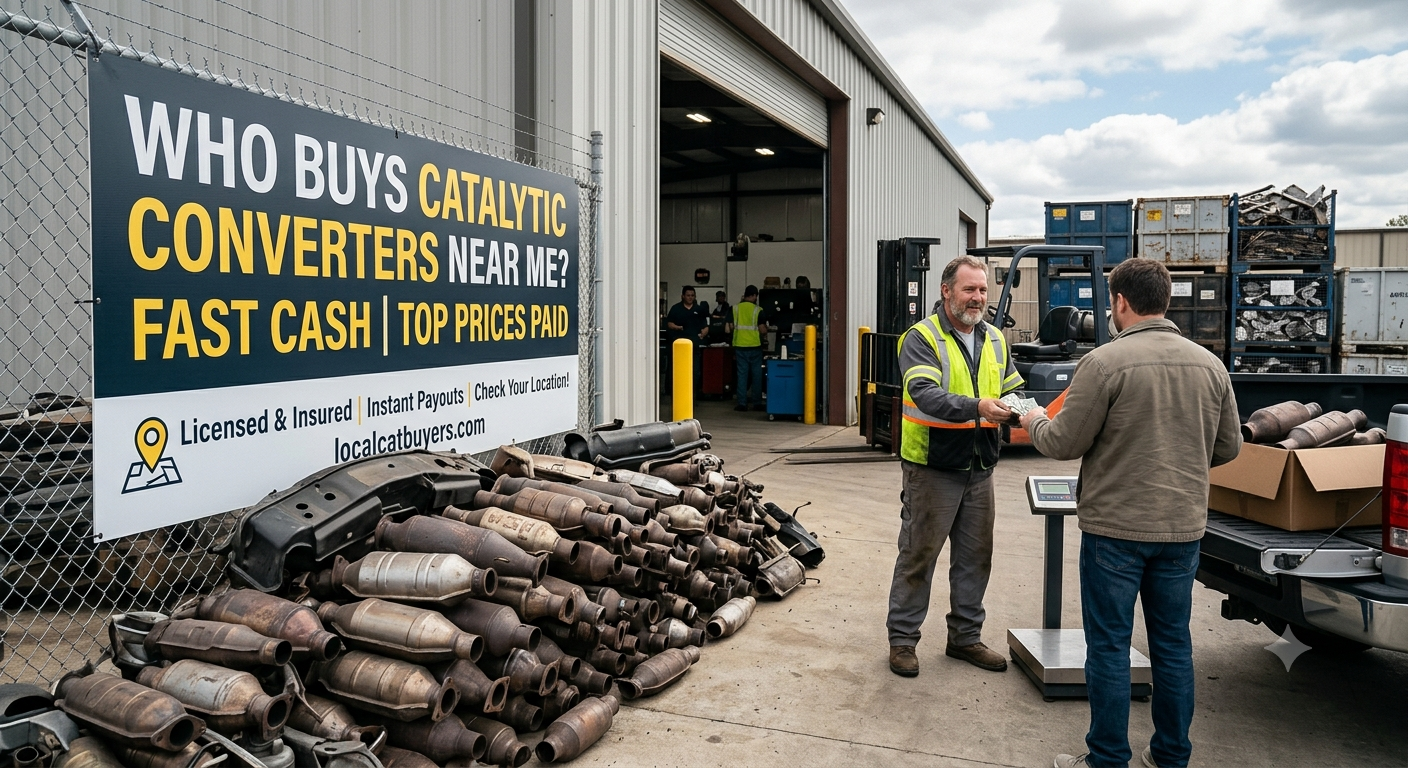
Catalytic converters contain precious metals that make them highly valuable in the recycling industry. Their worth depends on several factors, including the vehicle’s make and model, the converter’s condition, market demand for precious metals, and local regulations. Instead of throwing away an old converter or accepting the first offer you receive, it is worth learning how the market works. This guide explains everything you need to know, from the history of catalytic converters to finding reputable buyers, understanding pricing, avoiding scams, and maximizing your return.
Understanding Catalytic Converters
A catalytic converter is an essential part of a vehicle’s exhaust system. It helps reduce harmful emissions before they are released into the atmosphere. Inside every converter is a ceramic or metallic honeycomb coated with precious metals such as platinum, palladium, and rhodium. These metals act as catalysts that convert harmful gases into less toxic emissions.
Modern environmental regulations have made catalytic converters a standard feature on nearly every gasoline-powered vehicle manufactured over the last several decades. Without this component, vehicles would produce significantly higher levels of pollutants, contributing to poor air quality and environmental damage.
Although catalytic converters are designed to last for many years, they eventually wear out, become clogged, or require replacement after mechanical failure or accident damage. When that happens, the used converter still retains value because the precious metals inside can be recovered and recycled.
The History of Catalytic Converters
Catalytic converters became widely adopted during the 1970s as governments introduced stricter vehicle emission standards. Rising concerns about air pollution led manufacturers to develop technologies capable of reducing toxic exhaust gases without sacrificing engine performance.
As environmental awareness increased, emission regulations became more comprehensive. Vehicle manufacturers invested heavily in improving catalytic converter efficiency, resulting in better fuel economy and cleaner exhaust systems. Today, catalytic converters are considered one of the most important pollution-control devices in modern transportation.
Over the years, the growing demand for platinum group metals has also increased the recycling value of used converters. This has created a specialized market where recyclers, scrap yards, auto repair shops, and licensed buyers compete to purchase old catalytic converters.
Why Catalytic Converters Are So Valuable
One of the biggest reasons people search for who buys catalytic converters near me is the surprisingly high value of these components. Unlike many other used automotive parts, catalytic converters contain rare precious metals that remain valuable even after years of use.
Platinum is known for its durability and chemical stability. Palladium has become increasingly valuable because of its widespread use in emission-control systems. Rhodium is one of the rarest precious metals in the world and often commands exceptionally high market prices.
Because these metals are expensive to mine, recycling existing catalytic converters helps reduce environmental impact while supplying industries with reusable materials. Manufacturers, refiners, and recycling companies all benefit from recovering these metals instead of extracting new resources from the earth.
The combination of environmental responsibility and economic value has made catalytic converter recycling one of the fastest-growing sectors within the automotive recycling industry.
Who Buys Catalytic Converters Near Me?
When searching for who buys catalytic converters near me, you will typically find several types of buyers offering different services and pricing structures.
Scrap Metal Recycling Centers
Scrap yards are among the most common buyers. They purchase used catalytic converters from individuals, repair shops, insurance companies, and dismantlers before sending them to specialized refiners.
Many recycling centers evaluate converters using serial numbers, vehicle information, and current precious metal prices. Larger facilities often provide more competitive offers because they process higher volumes.
Auto Salvage Yards
Vehicle salvage yards frequently purchase catalytic converters as part of complete vehicles or as individual components. Since they already specialize in used automotive parts, they understand the market value of different converter models.
Salvage yards are particularly useful if you are also selling an old vehicle at the same time.
Licensed Catalytic Converter Buyers
Some businesses specialize exclusively in catalytic converter purchasing and recycling. These companies often use advanced identification systems to estimate metal content and provide accurate pricing.
Professional buyers may also offer shipping services, mobile pickup, or online quote requests, making the selling process more convenient.
Auto Repair Shops
Some repair facilities purchase used catalytic converters after replacing damaged units. While this is less common than dedicated recycling businesses, certain repair shops work directly with refiners and may offer competitive prices.
How the Catalytic Converter Market Works
Understanding how the market operates helps explain why prices can vary dramatically between buyers.
Unlike ordinary scrap metal, catalytic converters are valued primarily for their precious metal content rather than their weight. Two converters weighing the same may have completely different values depending on the amount of platinum, palladium, and rhodium they contain.
Professional buyers use manufacturer serial numbers, reference databases, and metal analysis to estimate recovery values. Market conditions also influence pricing. When precious metal prices increase, used catalytic converters generally become more valuable.
This is one reason why experienced sellers compare multiple offers instead of accepting the first quote they receive.
Factors That Affect Catalytic Converter Prices
Anyone researching who buys catalytic converters near me should understand the major pricing factors before negotiating with buyers.
Vehicle Make and Model
Luxury vehicles, hybrid cars, and certain trucks often contain converters with higher concentrations of precious metals. As a result, these converters frequently command higher prices.
Original Equipment vs Aftermarket
Original equipment manufacturer, or OEM, catalytic converters generally contain more valuable metals than aftermarket replacements. Buyers usually pay considerably more for genuine factory-installed units.
Converter Condition
A converter does not need to be functional to retain recycling value, but severe damage may reduce its price. Buyers typically inspect for excessive corrosion, missing sections, or evidence of tampering.
Precious Metal Market Prices
Daily fluctuations in platinum, palladium, and rhodium prices directly influence converter values. Sellers who monitor these markets may choose to wait for stronger pricing before selling.
Identification Numbers
Serial numbers help buyers identify the converter model and estimate its precious metal content. Units with intact identification markings are usually easier to evaluate accurately.
Why Comparing Buyers Matters
Searching only once for who buys catalytic converters near me may limit your earning potential. Different buyers use different pricing methods, operating costs, and profit margins.
Some businesses specialize in high-volume recycling and can afford to pay more. Others rely on local demand or intermediary sales, resulting in lower offers.
Requesting multiple quotes allows sellers to compare prices, understand market value, and identify reputable businesses. Reputable buyers are transparent about their evaluation methods and explain how they calculate their offers.
Comparing buyers also gives you an opportunity to evaluate customer service, payment speed, licensing, and overall professionalism, all of which contribute to a better selling experience.
Benefits of Recycling Catalytic Converters
Recycling catalytic converters offers significant economic and environmental benefits.
Recovering precious metals reduces the need for new mining operations, which consume large amounts of energy and natural resources. Recycling also decreases industrial waste while supporting a circular economy where valuable materials are reused instead of discarded.
For vehicle owners, recycling provides an opportunity to recover value from worn-out components that would otherwise become waste. Automotive manufacturers benefit because recycled precious metals help stabilize supply chains and reduce production costs.
Governments and environmental organizations continue encouraging recycling initiatives because they support sustainability goals, reduce pollution, and promote responsible resource management.
The growing emphasis on environmental responsibility is another reason more people continue searching for who buys catalytic converters near me before disposing of old vehicle parts.
How to Sell a Catalytic Converter Legally
After identifying potential buyers, the next step is understanding the legal process. Selling a catalytic converter is not as simple as selling ordinary scrap metal because thefts involving these components have increased significantly in recent years. As a result, many states have introduced stricter regulations to ensure that legitimate owners can sell their converters while discouraging illegal activity.
If you are searching for who buys catalytic converters near me, expect reputable buyers to ask for documentation before completing the purchase. In many cases, you may need a government-issued photo ID, proof of vehicle ownership, or documentation showing that the catalytic converter was legally removed. Some buyers also require repair invoices or receipts from licensed mechanics. Although these requirements may seem inconvenient, they help create a safer marketplace for both sellers and buyers. Legitimate recycling companies welcome transparency because it protects their business and ensures compliance with local laws.
Keeping accurate records before selling is always a smart decision. If your catalytic converter came from your own vehicle, save repair invoices, replacement receipts, or insurance paperwork. These documents help verify ownership and often speed up the transaction.
State Regulations and Legal Considerations
Catalytic converter laws vary across the United States, making it important to understand your state’s specific requirements before selling. While some states have relatively straightforward procedures, others enforce strict regulations to combat theft and illegal recycling.
States with Strict Documentation Requirements
Several states require buyers to record detailed information about every catalytic converter purchase. This may include the seller’s identification, photographs of the converter, vehicle identification numbers, serial numbers, payment records, and signed ownership declarations.
These requirements make it much more difficult for stolen converters to enter the recycling market. Honest sellers generally experience little difficulty because they can easily provide the requested documentation.
States with Payment Restrictions
Some states prohibit cash payments for catalytic converters. Instead, buyers must issue payment through a business check, electronic transfer, or another traceable payment method. This creates a documented transaction that law enforcement can review if necessary.
Although receiving payment electronically may take slightly longer than cash, it offers additional protection for both parties.
Waiting Periods
Certain jurisdictions require buyers to hold purchased catalytic converters for a specified number of days before processing or recycling them. This waiting period allows authorities time to investigate reports of theft if necessary.
These regulations have become increasingly common as governments strengthen efforts to reduce catalytic converter theft nationwide.
Choosing a Trustworthy Buyer
Finding trustworthy buyers is one of the most important parts of the selling process. Many people begin by searching who buys catalytic converters near me, but not every buyer operates with the same level of professionalism or transparency.
A reputable buyer should clearly explain how they determine pricing. They should inspect the converter carefully, identify the serial number, discuss current market conditions, and provide a written or verbal explanation of their offer. Transparency builds confidence and helps sellers understand the true value of their catalytic converter.
Customer reviews also play an important role. Businesses with consistently positive feedback often demonstrate fair pricing, honest communication, and reliable payment practices. Reading reviews before visiting a buyer can save time and help avoid disappointing experiences.
Professional facilities are usually clean, organized, and licensed according to local regulations. Employees should be willing to answer questions rather than rushing customers into accepting an offer.
How Buyers Determine the Value of Your Converter
Many sellers assume that catalytic converters are priced according to weight, but this is only a small part of the evaluation process. Professional buyers focus primarily on precious metal recovery potential.
First, they identify the converter using manufacturer codes or serial numbers. Specialized databases allow buyers to estimate the amount of platinum, palladium, and rhodium contained inside specific models.
Next, they inspect the physical condition of the converter. Excessive damage, missing sections, or evidence that the converter has already been opened may reduce its value.
Finally, buyers consider current precious metal prices. Since these commodities trade on international markets, converter prices may change frequently. A converter worth one amount today could be worth significantly more or less several weeks later.
This is another reason why comparing several offers after searching who buys catalytic converters near me can result in a better overall sale price.
Tips for Getting the Best Price
Maximizing the value of your catalytic converter requires preparation rather than luck. Sellers who spend a little extra time researching the market often receive noticeably better offers.
Begin by identifying the converter’s part number before contacting buyers. Many businesses can provide preliminary estimates based on this information alone. Having the serial number available also demonstrates that you are prepared and knowledgeable.
Avoid cleaning or cutting open the converter yourself. Some sellers mistakenly believe that exposing the internal materials increases value, but doing so can actually reduce the price because buyers prefer intact units.
Request quotes from multiple licensed buyers within your region. Prices often vary because different businesses have different refining partnerships, operating expenses, and purchasing volumes.
Timing also matters. Since platinum group metal prices fluctuate, monitoring market conditions may help you choose a more profitable time to sell.
Common Mistakes Sellers Should Avoid
Many first-time sellers unintentionally reduce their profits by making avoidable mistakes.
One of the most common errors is accepting the first offer without comparing alternatives. Even within the same city, offers can differ substantially depending on the buyer’s business model.
Another mistake involves failing to verify the buyer’s credentials. Selling to unlicensed businesses may expose sellers to unnecessary legal complications while also increasing the risk of unfair pricing.
Some individuals remove catalytic converters from vehicles without understanding local regulations. Improper removal can damage surrounding exhaust components and reduce the converter’s value. If replacement is necessary, allowing a qualified mechanic to remove the converter is often the safest approach.
Finally, many sellers overlook paperwork. Keeping receipts, ownership records, and repair invoices helps establish legitimacy and simplifies the selling process.
Avoiding Catalytic Converter Scams
Unfortunately, valuable automotive parts often attract dishonest individuals. Knowing how to recognize common scams can protect both your property and your finances.
One warning sign is an unusually high initial offer followed by unexpected deductions during inspection. Some dishonest buyers advertise attractive prices to encourage visits, only to lower the offer dramatically after examining the converter.
Another concern involves buyers who refuse to explain how they calculated their offer. Professional recyclers should be willing to discuss their evaluation process rather than simply presenting a number without justification.
Be cautious of buyers requesting incomplete paperwork or encouraging sellers to bypass legal documentation. Legitimate businesses understand the importance of compliance and will not ask customers to ignore local laws.
Researching who buys catalytic converters near me through trusted review platforms, local business directories, and licensed recycling associations can significantly reduce the likelihood of encountering fraudulent buyers.
The Environmental Importance of Catalytic Converter Recycling
Beyond financial benefits, catalytic converter recycling plays an essential role in environmental sustainability. Mining platinum group metals requires substantial energy, water, and land resources. Recycling existing materials helps reduce the environmental impact associated with new mining operations.
Recovered precious metals are refined and reused in manufacturing new catalytic converters, industrial equipment, electronics, and medical devices. This process conserves valuable natural resources while reducing greenhouse gas emissions generated during mining and processing.
The recycling industry also supports broader environmental goals by reducing landfill waste. Instead of allowing worn-out automotive components to accumulate in disposal sites, recycling ensures that valuable materials continue contributing to the economy.
Consumers increasingly recognize the environmental value of responsible recycling, making searches for who buys catalytic converters near me part of a larger movement toward sustainable resource management.
State-wise Market Trends and Regional Demand
Catalytic converter pricing can vary across different regions of the United States. States with larger automotive industries, higher vehicle populations, and more active recycling networks often experience stronger competition among buyers.
Urban areas typically have multiple licensed recycling facilities, allowing sellers to compare offers more easily. Rural communities may have fewer specialized buyers, although mobile purchasing services have become increasingly popular in recent years.
Transportation costs also influence regional pricing. Buyers located closer to refining facilities may be able to offer slightly higher prices because their operating expenses are lower.
Local regulations, environmental policies, and recycling infrastructure all contribute to regional differences in the catalytic converter marketplace. Understanding these variations helps sellers make informed decisions when selecting where and when to sell their converters.
Comparing Different Types of Catalytic Converter Buyers
When evaluating who buys catalytic converters near me, it is helpful to compare the different types of buyers available. Each option offers its own advantages and disadvantages depending on your priorities, whether that is receiving the highest price, completing the sale quickly, or working with a trusted local business.
Licensed catalytic converter recyclers generally provide the most accurate valuations because they specialize in identifying converter models and estimating precious metal content. Their expertise allows them to make competitive offers based on current market conditions rather than simple scrap metal pricing.
Scrap yards are another popular option. Larger scrap facilities often purchase converters in high volumes and maintain relationships with metal refiners. While some offer excellent prices, others may treat converters like ordinary scrap, resulting in lower payouts. Comparing multiple quotes is essential before making a decision.
Auto salvage yards can also be a practical choice, particularly if you are selling an entire vehicle. Many salvage businesses buy cars with damaged engines or major mechanical problems and include the catalytic converter as part of the overall valuation. This can save time if you do not want to remove the converter separately.
Some online buyers allow sellers to submit photographs and serial numbers for preliminary quotes. Once the converter is shipped for inspection, payment is issued based on the verified model and condition. This option is especially useful for sellers living in areas with limited local recycling facilities.
Selling Online Versus Selling Locally
The growth of online recycling services has created new opportunities for vehicle owners. Instead of relying only on nearby buyers, sellers can now receive quotes from companies across the country.
Local sales offer the advantage of immediate inspection and faster payment. You can meet with the buyer, ask questions, and complete the transaction in person. There are no shipping costs or waiting periods associated with transportation.
Online buyers, however, sometimes provide higher offers because they work directly with large refining operations. Their lower operating costs and nationwide purchasing networks may allow them to pay more for certain converter models.
Before choosing either option, compare total costs, including shipping fees, insurance, processing times, and payment methods. In some situations, a slightly lower local offer may actually provide greater overall value because the transaction is completed immediately.
How Technology Is Changing the Industry
Technology has significantly improved the catalytic converter recycling market over the past decade. Buyers now use sophisticated databases containing thousands of converter models, allowing them to identify units quickly through serial numbers and manufacturer codes.
Advanced analytical equipment also helps refiners estimate precious metal content more accurately. These improvements reduce pricing errors and create a more transparent marketplace for both buyers and sellers.
Many companies have introduced online quote systems, mobile applications, and digital payment options. Sellers searching for who buys catalytic converters near me can now compare multiple offers without visiting several businesses in person.
Artificial intelligence and data analytics are also beginning to influence pricing models by tracking precious metal markets, historical trends, and regional demand. As these technologies continue developing, pricing accuracy and customer convenience are expected to improve even further.
Challenges Facing the Catalytic Converter Market
Although the industry continues to grow, it also faces several important challenges.
One of the biggest concerns is catalytic converter theft. Criminals target parked vehicles because converters can often be removed within minutes and sold illegally. This problem has led lawmakers to introduce stricter documentation requirements and stronger penalties for illegal transactions.
Another challenge is the volatility of precious metal prices. Platinum, palladium, and rhodium frequently experience significant price fluctuations based on global supply, industrial demand, and economic conditions. These changes directly affect the resale value of used converters.
Environmental regulations also continue evolving. As vehicle technology advances and electric vehicles become more common, manufacturers are exploring new emission-control solutions that could eventually influence future demand for catalytic converters.
Despite these challenges, recycling remains essential because millions of gasoline-powered vehicles will continue operating for many years.
Success Stories from Sellers
Many vehicle owners have discovered unexpected financial value by researching who buys catalytic converters near me before disposing of old automotive parts.
For example, an owner replacing the exhaust system on an older pickup truck may initially believe the worn converter has little value. After obtaining quotes from several licensed buyers, they discover that the original equipment converter contains enough precious metals to generate a surprisingly competitive offer. Instead of treating it as scrap, the owner receives additional income that helps offset repair costs.
Independent repair shops also benefit from responsible recycling programs. Rather than discarding replaced converters, many shops partner with licensed buyers and recover value from every eligible unit. These additional earnings can support business growth while promoting environmentally responsible practices.
Insurance companies and vehicle dismantlers regularly work with specialized recyclers as well. Recovering valuable materials from damaged vehicles reduces waste and improves the overall efficiency of automotive recycling operations.
These examples demonstrate that knowledge, research, and careful buyer selection often lead to better financial outcomes.
The Future of Catalytic Converter Recycling
The catalytic converter recycling industry is expected to remain important despite rapid changes in the automotive sector.
Electric vehicles do not require catalytic converters because they produce no exhaust emissions. However, gasoline-powered and hybrid vehicles will remain on the road for decades, ensuring continued demand for recycling services.
Manufacturers are also investing in cleaner technologies that use precious metals more efficiently. At the same time, refiners continue improving recovery methods to extract higher percentages of platinum, palladium, and rhodium from used converters.
Governments around the world are strengthening recycling initiatives to conserve natural resources and reduce dependence on mining. These policy developments encourage responsible recycling while supporting long-term environmental goals.
Digital marketplaces, improved pricing transparency, and enhanced regulatory oversight are likely to make the selling process even safer and more convenient for consumers in the coming years.
Expert Recommendations for Sellers
Experts recommend taking a thoughtful approach before selling a catalytic converter. Start by identifying the converter correctly and gathering any available ownership documentation. Contact several licensed buyers rather than relying on a single quote, and compare not only prices but also customer service, payment methods, and business reputation.
Keep informed about precious metal prices, as market conditions can influence the value of your converter. If immediate payment is not necessary, monitoring price trends for a short period may help you secure a better return.
Always prioritize legal compliance. Honest transactions protect sellers, buyers, and the broader recycling industry while reducing opportunities for illegal activity.
Most importantly, remember that the highest advertised price is not always the best offer. Reliable service, transparent communication, and prompt payment are equally valuable when choosing the right buyer.
Conclusion
Searching for who buys catalytic converters near me is about much more than finding someone willing to purchase an old automotive part. It is about understanding the true value of the converter, identifying trustworthy buyers, complying with local regulations, and contributing to responsible recycling practices.
Catalytic converters remain valuable because they contain precious metals that can be recovered and reused in manufacturing. This creates financial opportunities for vehicle owners while supporting environmental sustainability through resource conservation. Whether you choose a licensed recycler, salvage yard, scrap metal facility, or specialized online buyer, careful research can significantly improve your selling experience.
By comparing multiple offers, verifying buyer credentials, maintaining proper documentation, and staying informed about market conditions, you can maximize your return while ensuring a safe and legal transaction. As recycling technologies continue advancing and environmental awareness grows, the catalytic converter market will remain an important part of the automotive recycling industry for years to come.